Commercial Moves in Liverpool: Reliable, Organised Support for Businesses of Every Size
Professional commercial moving support across Liverpool

If you are planning a business relocation, office move, or premises changeover, Commercial Moves in Liverpool can make a major difference to how smoothly the day runs. Moving a workplace is not the same as moving a house. There are desks, files, IT equipment, stock, specialist furniture, access restrictions, timing pressures, and the need to keep disruption low for staff and customers. A well-planned commercial move helps you protect your equipment, reduce downtime, and get back to work sooner.
Liverpool has a wide mix of commercial buildings, from city-centre offices and retail units to industrial premises, workshops, studios, medical spaces, and hospitality venues. That variety means every move has its own challenges. Some sites have tight loading areas, shared entrances, stair access, lift restrictions, or limited parking. Others need early morning or evening scheduling so trading can continue during the day. A local team that understands these conditions can plan ahead and work around them with far less stress.
Whether you are relocating a small office in the city centre, moving a warehouse operation in an industrial estate, or transferring a professional practice between sites, the right moving service should feel organised from the first conversation. The goal is simple: keep your business moving while your premises change. That means careful packing, safe lifting, reliable transport, and a clear method for setting everything down in the right place at the other end.
Why local businesses in Liverpool choose a commercial moving service

Businesses choose professional help for commercial removals because the cost of a delayed or disorganised move can be far greater than the cost of doing it properly. Missing equipment, broken furniture, inaccessible stock, or a poor unloading plan can affect staff productivity and customer service. A local removal team can help reduce those risks by bringing experience, manpower, and a structured approach to the move.
In Liverpool, a commercial move often involves navigating busy roads, one-way systems, building management rules, and loading time limits. In areas such as the city centre, Baltic Triangle, Baltic Centre surroundings, Ropewalks, Bootle, Aintree, Speke, Wavertree, Toxteth, Edge Hill, and other nearby districts, there can be practical access issues that affect how the work is done. A local company is more likely to be familiar with these everyday realities and can plan the job with them in mind.
Commercial moves in Liverpool also need flexibility. Many organisations can’t simply shut down for a week while they relocate. That is why a good service should offer timing options that fit around your operations, such as phased moving, weekend work, or out-of-hours loading where appropriate. The aim is to keep staff informed, protect assets, and make the transition as calm and efficient as possible.
Types of commercial moves we can help with
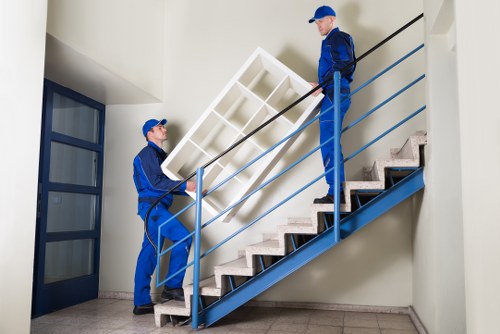
Commercial moving is not limited to office desks and chairs. Liverpool businesses come in many forms, and each one needs a move plan that suits its contents and pace of work. A professional service should be prepared to handle a broad range of premises and setups, including small teams and larger organisations.
Typical commercial relocations may include:
- Office moves for startups, growing companies, and established firms
- Retail relocations for shops, showrooms, and customer-facing premises
- Warehouse and storage transfers involving stock, shelving, and equipment
- Hospitality moves for cafés, bars, restaurants, and food service premises
- Trade and workshop relocations for light industrial or craft businesses
- Professional practice moves for agencies, studios, and consulting offices
- Healthcare and care-related premises where care and order matter
Each of these needs a slightly different approach. A design agency may want computers, monitors, and archive boxes moved with great care, while a retailer may need stock counts, fixture handling, and a swift re-opening plan. A warehouse move may involve palletised goods or heavier items. That is why the best service is one that listens first, then builds the move around the real details of the job.
For customers who are planning ahead, it is worth thinking about whether the move is a single transfer or a phased relocation. In some cases, it may be better to move certain departments first and complete the rest later. This can help a business keep operating with less disruption, especially when staff need to remain on site during the changeover.
What is usually included in a commercial move

A proper commercial removals service should offer more than just transport. The value comes from the planning, the care taken with your items, and the ability to manage the move in a practical order. While every business move is different, there are a number of common elements customers can expect.
Common services may include:
- Initial discussion about the size, layout, and timing of the move
- Site access planning for pickup and delivery points
- Packing assistance for office items, files, and fragile equipment
- Disassembly and reassembly of suitable furniture where needed
- Careful handling of IT, monitors, printers, and office electronics
- Loading, transport, and unloading of business assets
- Placement of items into agreed rooms or work areas
- Collection of packing materials where this is part of the service
Some moves may also require special handling for bulky items, sensitive files, stock rotation, or items that need to stay grouped by department. A reliable team will work with labels, floor plans, or room lists where available so that your new premises are set up in an orderly way. That can save valuable time on the first day back in business.
Special care for equipment and records
Commercial properties often contain more than standard furniture. Many businesses store paper archives, customer records, specialist tools, or expensive technology. These items need a careful approach so they arrive in the same condition they left. If your business handles sensitive or confidential material, you will want a move plan that respects privacy and keeps records organised throughout the process.
How the moving process works

A structured moving process helps remove uncertainty. Instead of dealing with the relocation in a rush, you can work through the important steps in a logical order. This is especially useful for Liverpool businesses where access times, busy streets, or shared building use can affect the schedule.
The process often begins with an assessment of the current premises and the new location. This may include a look at access routes, stairs, lifts, loading bays, parking restrictions, and the quantity of items to move. The more clearly the move is planned in advance, the less chance there is of delays on the day.
From there, the business can create a move plan that covers timing, packing, labels, and priority items. Some companies want the IT set up first; others prefer stock or furniture to be placed before anything else. A local moving team can help you shape the move around what matters most to your operation.
Typical move-day flow
Although every relocation is different, many commercial moves follow a similar pattern:
- Arrival at the site at the agreed time
- Walkthrough and final checks before loading begins
- Protection of vulnerable items and furniture
- Careful loading in an organised order
- Transport to the new premises
- Unloading and room-by-room placement
- Final review to make sure key items are where they should be
This method helps maintain structure and reduces the chances of items being misplaced. It also makes it easier for staff to restart work because the most important areas can be prioritised.
Preparing your business for a move in Liverpool
A successful business relocation depends on good preparation. Even if you are using a professional team, there are steps your own staff can take to make the day easier. A practical prep plan can reduce confusion and help everyone know what to expect.
Here is a useful preparation checklist for business customers:
- Confirm the moving date and any building access times
- Notify staff of what is moving and when
- Back up data and secure all important digital files
- Label desks, boxes, and equipment by department or destination room
- Separate essential items that need to be available first
- Clear walkways and remove unnecessary clutter
- Arrange parking or loading permissions if required
- Identify fragile, confidential, or high-value items in advance
It is also helpful to create a simple list of priority items. For example, a business may need phones, internet equipment, laptop chargers, and key paperwork set up before anything else. A retail unit may need opening stock, till equipment, and display items ready quickly. A workshop may want tools and machines placed in a precise order so work can resume without extra delays.
Tip: If you are moving between Liverpool neighbourhoods where parking is limited or traffic is busy, plan a little extra time for access and loading. City-centre sites, narrow streets, shared courtyards, and busy commercial roads can all affect timings. A local mover can often suggest a more practical loading sequence based on the location.
Commercial moves for offices, shops, and industrial premises
Different business types have different expectations, and a good mover should adapt to those needs. An office move usually focuses on desks, chairs, technology, files, and meeting room furniture. A shop move may involve stock, display units, cabinets, and front-of-house items. An industrial or warehouse move may require heavier lifting, pallet movement, or staged transport.
For offices in and around Liverpool city centre, careful planning is especially important because lifts, shared entrances, and tight corridors can affect how items are removed and delivered. In retail areas, timing around opening hours matters, and you may need a service that can work early, late, or on a quiet day to minimise the impact on trade. Industrial sites may have different access points and may need a more robust loading plan to keep bulky items moving safely.
Some businesses also need to move on a phase-by-phase basis. This can be useful when your team must keep working while part of the office or unit is being relocated. In those cases, the move can be arranged so that one department is moved and settled before the next one follows. That approach often works well for growing companies, shared workspaces, and organisations with limited downtime.
Helpful for landlords and property managers too
Commercial moving services are not just for business tenants. Landlords, building managers, and property agents may also need help with end-of-lease clearance, internal reconfiguration, or movement of leftover items between units. Where premises need to be emptied, cleared, or prepared for handover, a structured service can help keep the process orderly.
Why a Liverpool-based team is useful
Choosing a local team has real advantages. Liverpool is a city with character, history, and a busy working rhythm. Commercial routes can be affected by event traffic, city-centre congestion, ferry and waterfront activity, and the everyday movement of people in and out of business districts. A team that works locally is more likely to understand how these factors affect timing and access.
That local knowledge matters in practical ways. It can help with choosing the right arrival window, understanding where loading might be easiest, and preparing for awkward access points at older buildings or modern shared offices. It can also help with move planning around business parks, industrial estates, and mixed-use developments where conditions vary from one site to the next.
When you are arranging commercial moves in Liverpool, you want a team that can respond sensibly to real-world conditions rather than offering a one-size-fits-all approach. That means being prepared for busy streets, narrow entry points, stair access, restricted parking, and the need to work efficiently without cutting corners.
Local service also matters for communication. When a move is close to your existing premises and your new location, it is often easier to arrange site visits, discuss access issues, and handle last-minute changes if needed. For busy businesses, that kind of flexibility can be a major advantage.
Areas covered around Liverpool
Commercial customers come from a wide range of districts across the city and surrounding areas. Businesses often need moving support in central and outlying locations, depending on their premises type and growth plans.
Areas commonly covered include:
- Liverpool city centre
- Baltic Triangle
- Ropewalks
- Waterfront and dockside business areas
- Bootle
- Aintree
- Speke
- Wavertree
- Edge Hill
- Toxteth
- Everton
- Kirkdale
- Childwall
- Allerton
- Nearby Wirral and Merseyside locations where appropriate
Many businesses also move between Liverpool and surrounding commercial centres for expansion, downsizing, or reorganisation. If your move involves a new unit on an industrial estate, a serviced office, a retail park, or a mixed business complex, it helps to use a mover that understands both the urban core and the wider local area.
Because every site is different, the exact access and delivery method should always be checked in advance. That is especially true where building rules, shared car parks, timed loading bays, or limited lift availability may affect the move.
Pricing factors for commercial removals
Customers often want to know what affects the cost of a move, even when they are not looking for a fixed figure. Commercial moving prices can vary because every project has a different level of complexity. A small office relocation may be straightforward, while a larger multi-room move may need more planning and manpower.
Common pricing factors include:
- Size of the business and total volume of items
- Distance between the old and new premises
- Access conditions at both locations
- Need for packing, dismantling, or reassembly
- Number of staff or vehicles required
- Timing of the move, including evenings or weekends
- Special handling requirements for fragile, bulky, or sensitive items
- Storage needs if the move is being staged over time
It is usually a good idea to request a tailored quote rather than trying to estimate the move on size alone. A proper quote should take into account the real conditions at your site and the practical details of how the relocation will happen. That gives you a clearer picture of what is included and helps you compare options in a fair way.
Request a free quote if you want a clearer understanding of what your move may involve. The more detail you can provide about the premises, items, and timing, the more accurate the estimate is likely to be.
What makes a move easier on your team
Relocating a workplace can be tiring for staff if the process is not well organised. A reliable mover helps take pressure off your team by handling the heavy lifting, the transport, and the placement of items at the new site. That allows staff to focus on their own responsibilities rather than trying to manage the physical side of the move themselves.
There are a few simple ways to make the transition easier:
- Keep one person in charge of move coordination
- Use clear labels and colour-coding if helpful
- Separate essential equipment from non-urgent items
- Share the move plan with all departments early
- Make sure everyone knows what happens first on arrival
- Leave enough time for packing and final checks
For teams working in busy offices or customer-facing spaces, it can also help to move in stages. This means people can continue working in a controlled way while the move progresses. For example, you might relocate storage first, then workstations, then meeting rooms, then reception or display areas. This reduces confusion and can make the first day at the new site feel much more settled.
Good communication makes a huge difference. When staff know what is happening and what they need to pack or label, the move is usually smoother and less stressful for everyone involved.
Frequently asked questions
Below are some common questions from local businesses arranging commercial removals in Liverpool.
How far in advance should I book?
It is best to arrange commercial moving support as early as possible, especially if you need a specific day, weekend timing, or out-of-hours work. Larger or more complex moves usually benefit from longer lead time because planning, labels, access checks, and team coordination all take time.
Can you move office furniture and IT equipment?
Yes, most commercial moves include office furniture and standard IT equipment, provided the items are prepared safely and clearly identified. For sensitive systems, it is helpful to make sure data is backed up and that key devices are packed and labelled with care.
Do you work around business opening hours?
Many companies prefer moves outside normal trading hours so they can reduce disruption. Depending on the job, this may include early starts, evenings, or weekend scheduling. The best option depends on your premises, access arrangements, and operating needs.
What if my building has poor access?
Access challenges are common in Liverpool, especially in older buildings, city-centre premises, and shared commercial spaces. A local mover can plan around stairs, lifts, narrow entrances, parking limits, and loading restrictions if the details are known in advance.
Can you help if we need to move in stages?
Yes, phased moves are often useful for businesses that need to keep working during the relocation. This approach can be planned around departments, work areas, or priority items so that the business continues with less interruption.
Do you handle stock and storage items?
Many commercial moves involve stock, archives, shelving, and stored items. These should be counted, labelled, and organised before moving so they can be placed correctly at the new site. This is especially helpful for retail, warehouse, and trade customers.
Choosing a service that fits your business
When arranging Commercial Moves in Liverpool, the right choice is usually the team that can combine careful planning with practical local knowledge. You want movers who understand the importance of punctuality, safe handling, and clear communication. You also want a service that can adapt to your premises, your staff, and your schedule rather than asking you to fit into a rigid template.
A strong commercial moving service should help you prepare, move, and settle into the new premises with the least possible disruption. That includes listening to your priorities, checking access, protecting important items, and placing everything where it belongs. It should feel organised from the first conversation to the final unload.
For Liverpool businesses, that local understanding is especially valuable. Whether you are based in a city-centre office, a retail unit, a shared workspace, a business park, or an industrial site, the move can be shaped to suit the real conditions on the ground. That makes it easier to stay in control and get back to normal trading sooner.
Ready to plan your move?
Contact us today to discuss your business relocation, request a free quote, or book your service now. If you want a smoother move with less disruption, it pays to plan early and work with a local team that understands Liverpool.
In short
Commercial removals are about more than shifting items from one place to another. They are about protecting your assets, respecting your timetable, and helping your business restart quickly in its new location. With the right preparation and support, your relocation can be far more manageable than it first appears.
Book your service now and take the next step toward a well-organised move in Liverpool.